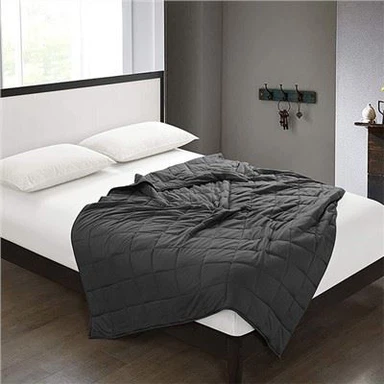
Home textiles: sustainable minimalist style
Aug 25, 2022
Speak truth, home textile industry development at present, the mainstream development direction more and more like simple style, muji yarn-dyed, pure color, stripe lattice, anyhow now young people more and more like simple natural textile bedding, may has something to do with life pressure big fast also, pure and fresh and natural style also can give a person the sense of relaxation, plus a comfortable sense of touch, Healthy and environmentally friendly process, no fluorescent agent added, no use of formaldehyde, no carcinogenic aromatic amine, no smell, more and more people to improve the quality of home textiles, this is also the mainstream trend of development.

The home textiles market includes several functional and decorative products commonly used in the home. Fabrics used for home decor and furnishings can be man-made or natural. The industry is constantly witnessing innovations and new trends that make homes natural, comfortable refuges. Here are some key trends in the home textiles industry:
The need for natural form and colour
The irony is that concrete jungles are on the rise, yet people seem to value the connection between nature and home textile design. The display of symbolic connections between natural materials, colors and fabrics provides a calm, warm atmosphere to the room. In addition, amorphous shapes, soft textures, and earthy tones are key trends in the home textiles market.
The emergence of minimalism
The transition from short life to long life and the acceptance of the hues used in monochromatic color palettes has made a comeback in the home textile industry. In addition, the use of strong materials with strong construction, high quality textiles and tight weaving provides durability and guarantees long-term use. In addition, the use of minimalist furniture, the elimination of extra padding and Scandinavian style all fall into the category of minimalism.
Use sustainable textiles and materials
Millennials and Gen Z are very concerned about eco-friendly products and sustainability before they buy anything. The industry is already leaning toward recycled polyester or resource-friendly cannabis. In addition, the textile industry has focused on finding alternatives to fabrics of animal origin and has invested heavily in producing vegan leather that can be extracted from apples and other natural resources. The range of sustainable textiles has increased over the past few years and will continue to do so in the future.

How should future home textile enterprise do
The home textile industry is still dominated by female consumers, and the number of product replacement is relatively low. Therefore, the transformation of enterprises in the industry mainly follows three directions:
1. Smart home: actively enter the field of smart home bedrooms, on the one hand, can obtain consumer data accurate marketing, on the other hand, can increase the stickiness of consumers
2. Home, multi-brand: traditional home textiles due to category restrictions purchase times are low. We live, multi-brand strategy can increase SKU index in a limited space to increase the repeat purchase rate
3. Improve cost performance: the price of home textile industry has been unstable. With the development of economy and the gradual maturity of consumers, home textile products are not only positioned as refunctional products, but also an integral part of home decoration, representing a lifestyle and attitude. Products with cost-effective performance are more popular under this opportunity